Month 1
Around week 4. The embryo is about 2 mm long; its outer layer will develop into the placenta, which will later supply the baby with oxygen and nutrients.
 Appointments
Op. Dr.

Obstetrician and Gynecologist
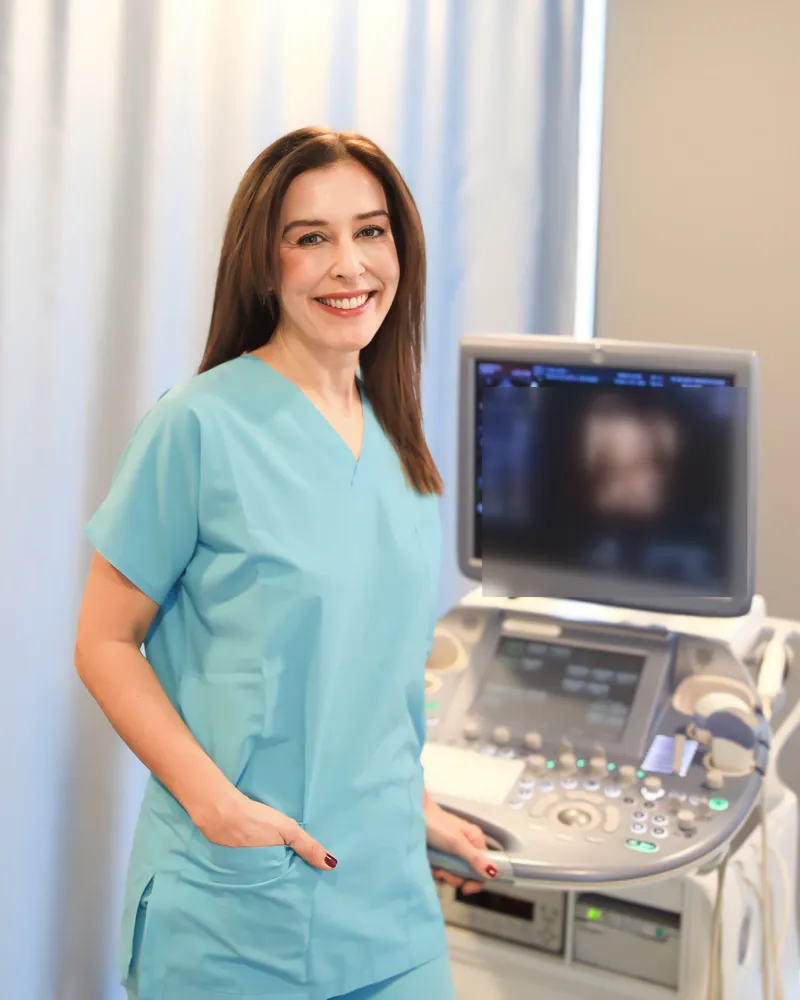
Hello, I'm Seda Tamsoy Atlıman. At my clinic in Çankaya, we can talk comfortably about anything on your mind regarding pregnancy, birth and women's health.
About the doctor
Obstetrician and gynecologist. She graduated from Ankara University Faculty of Medicine and completed her specialty training at Ankara Zekai Tahir Burak Women's Health Training and Research Hospital.
She has been working in obstetrics and gynecology since 2001. At her clinic in Çankaya, she devotes more time to her patients and provides prenatal, childbirth and gynecologic care.
AboutFeatured areas
In menopause and early menopause, the options for symptoms such as hot flashes and changes in sleep and mood are assessed on an individual basis.
Menopause, step by stepBefore labiaplasty, vaginoplasty, whitening and filler treatments, expectations, possible risks and medical necessity are discussed in detail; there is no rush to decide.
How does the process work?Under Turkish law, it can be performed on request until the end of the tenth week of pregnancy if there is no medical objection. The process is planned in privacy, with an examination and ultrasound.
About terminationAround week 4. The embryo is about 2 mm long; its outer layer will develop into the placenta, which will later supply the baby with oxygen and nutrients.
Around week 8. The embryo is about 16 mm long and is now called a fetus; its arms are longer than its legs.
Around week 12. The baby measures 5.4 cm from crown to rump; the internal organs and muscles have formed, and the skeleton is starting to harden into bone.
Around week 16. The baby measures 11.6 cm from crown to rump; the developing nervous system lets it move its arms and legs, and its hands can make fists.
Around week 20. The baby is about 25.6 cm long and more active every day; the detailed ultrasound is usually done at this stage.
Around week 24. The baby measures about 30 cm from head to heel; babies born prematurely after this week can survive with the support of neonatal units.
Around week 28. The baby measures 37.6 cm from head to heel; the heart rate has slowed to around 140 beats per minute and will be around 130 at birth.
Around week 32. The baby measures 42.4 cm from head to heel and is most likely head down, in position for birth.
Around week 36. The baby measures 47.4 cm from head to heel; the head may settle into the pelvis. From week 37 the pregnancy is considered term.
Source: NHS, week-by-week guide to pregnancy. The images are illustrative and not to scale. Every pregnancy is different; discuss your questions with your doctor.
From puberty to pregnancy and into the years after menopause, every stage of life has its own questions. Regular checkups give you the chance to discuss these questions at the right time.
Most girls have their first period at around age 12; starting anywhere between ages 9 and 17 is also normal.
According to the Turkish Ministry of Health guideline, at least four checkups are recommended during pregnancy; the first takes place before week 14.
The national program in Türkiye aims to screen women aged 30 to 65 for cervical cancer with an HPV test every 5 years.
For most women, menopause happens between the ages of 45 and 55 as a natural part of aging.
Sources: NHS, starting your periods; Turkish Ministry of Health, Prenatal Care Management Guideline (in Turkish); Turkish Ministry of Health, National Standards for the Cervical Cancer Screening Program (in Turkish); World Health Organization, menopause. The images are illustrative.
Consultations and examinations are carried out with respect for your privacy.
Follow-up and treatment are planned together with you, according to your health and your expectations.
Women's health is considered not in terms of a single symptom but together with the stage of life.
Decisions on diagnosis and treatment are made in light of current medical guidelines.
In the videos on her YouTube channel, Op. Dr. Seda Tamsoy Atlıman explains topics that are often asked about in pregnancy, birth and gynecology. The videos are in Turkish. You can play a video on this page or watch it on YouTube.
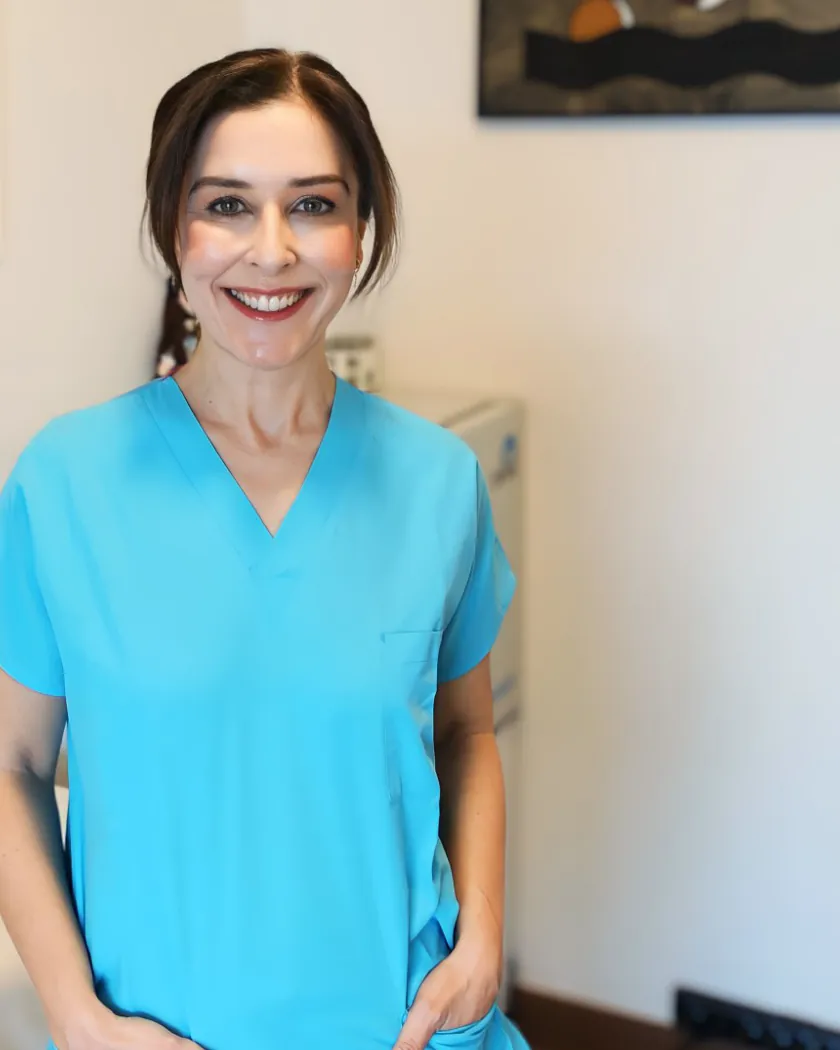
Appointments are made by phone or via WhatsApp; a day and time that suit you are set together with you.
Your symptoms and medical history are discussed; if deemed necessary, an examination and tests are planned.
The results are reviewed together with you, and a follow-up plan that suits you is made.
Mustafa Kemal Mah. 2118. Cad., Maidan İş Merkezi A Blok, 11. Kat No: 123, Çankaya / Ankara
We use cookies on our website.